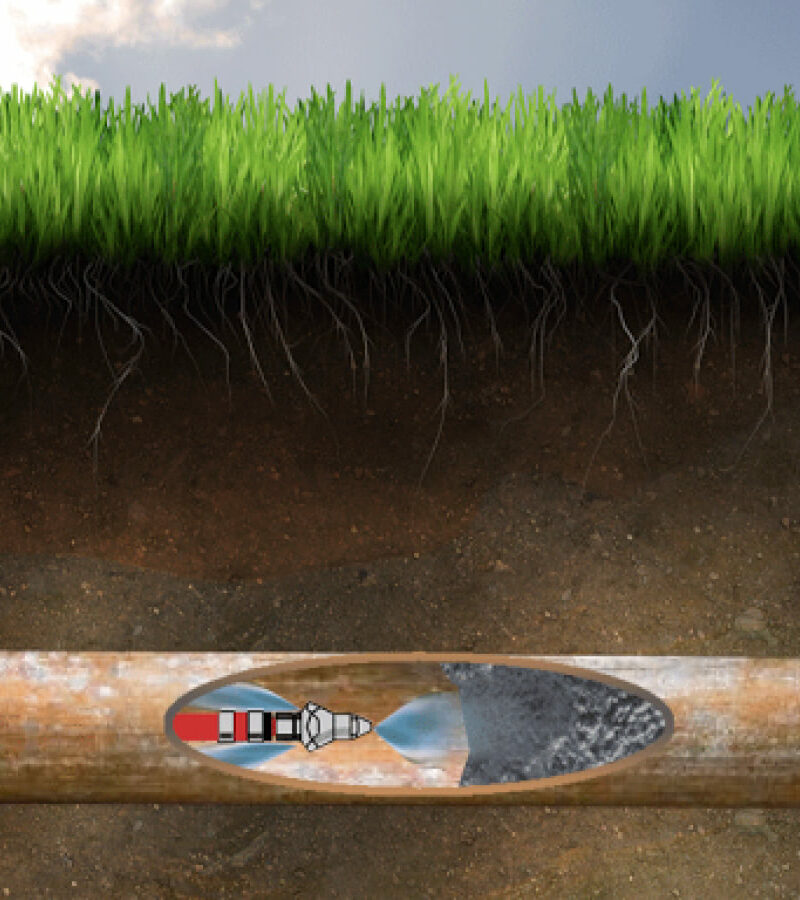
Pipe Leak Detection & Repair Services in Orange County
Call 24-7 for fast, same-day emergency service
Water Pipe Leak Detection & Repair Experts in Orange County

Whether your home is old or brand new, leaks can surprise you at any time. Factors such as severe climate changes, soil conditions, ground movement, and even poor construction can contribute to unexpected pipe damage, which, if left undetected, can have damaging and costly side effects. We find leaks & fix them right – the first time.
Noticing a leak in your home can sometimes be pretty easy. However, pinpointing the source of your leak may be extremely difficult to do on your own. Our team of expert plumbers can detect and fix leaks anywhere in your home. We use the newest technologies in leak detection and repair to save you time and money. Think you have a leak underground? In your walls? On the ceiling? No problem – Call Barker & Sons Plumbing & Rooter today!
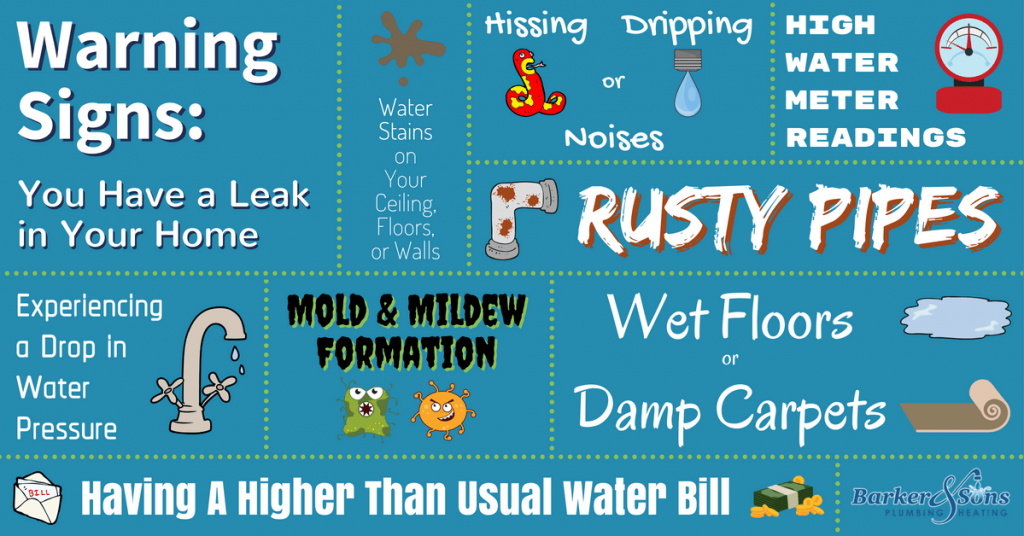
Warning Signs You Have a Leak in Your Home:
- A drop in water pressure
- Water stains on your ceiling, floors, or walls
- A higher-than-usual water bill (readings that exceed 12,000 gallons per month)
- An increase in your home’s humidity
- Mildew formation
- Strange noises
- Sudden puddles
- Rusty pipes
- Large wet spots in your yard
Common Reasons Why Pipes Leak:
- Excess pressure
- Cracks
- Corrosion
Where to Look for Plumbing Leaks in Your Home:
- Bathrooms
- Kitchens
- Walls
Barker & Sons offers a 100% satisfaction guarantee on all services we provide. Don’t let a little leak turn into a large problem. Call our highly qualified Orange County Plumbers today and we’ll stop that little leak from breaking your bank!
Our Leak Detection Services
At Barker & Sons Plumbing & Rooter, we use electronic leak detection to find your leaks fast. This process uses microphones and amplifiers to identify leaking pipes by amplifying the sound of moving water. Our plumbers adjust the pressure in the line to create specific sounds, helping them pinpoint the exact location of the leak. This method works on various plumbing systems, including those under concrete and in swimming pools, allowing for precise leak detection that minimizes damage and saves time.
Pipe Leak FAQs
What causes pipes to leak?
- Excess pressure. When too much pressure is applied to pipes, it can easily cause them to spring a leak. While yes, plumbing materials are designed to be able to withstand pressure, keep in mind that they really can only handle so much.
- Cracks. Although cracks aren’t experienced as commonly due to new advances in plumbing technology, they’re certainly still possible. For those pipes that do crack, the water has to go somewhere as it travels through, so it’s only natural that a bit would begin to seep out.
- Corrosion. Corroding pipes can absolutely lead to a leak as well, and corrosion can be caused by a number of factors – these factors include the chemicals in your water, the pH in your water, the temperature of your water, the water pressure and velocity, and the oxygen content of your water. The most common causes of pipe corrosion are almost always directly related to water quality. As a result, having your water treated is one of the best ways to prevent leaks from forming in your pipes.
Where should you look for plumbing leaks in your home?
If you suspect a leak in your kitchen, bathroom, or inside a wall—wherever it may be—but can’t seem to find the source, do the following:
- Bathrooms: Start by checking the space under your sink for any sign of moisture. But if the leak isn’t coming from your sink pipes, you’ll need to move on to the shower. To locate the source of a leak near the tub or shower, start by splashing some water around the shower door to see if any spills out onto the floor. Additionally, you should also inspect the caulking around your fixtures to see if there are any cracks. If some are present, there is a good chance your leak is stemming from them.
- Kitchens: Similar to your bathroom, your first plan of action should be to check under the sink. If the bottom of the P trap is moist or you notice water stains on the bottom of your cabinets, you can bet that the leak is starting in your sink. Additionally, if you noticeany changes in your floor, such as laminate becoming loose, you may be able to track the leak back to your sink too.
- Walls: Noticing a leak in your wall is pretty easy—those dark stains are hard to miss! In this scenario, though, it’s finding the source that can be tricky. As soon as you notice any sign of a drip, see if you can trace where it starts and ends. At this point, you should at least be able to determine where the leak is based. Then, an expert plumber like ourselves can come in and do the rest!”
What are some sneaky sources of water leaks?
- Clogged drain lines: A clogged drain line can be more than an inconvenience. More serious clogs can lead to overflows or even burst lines.
- Corroded pipes: Over time, as your plumbing system ages, you may find that your plumbing pipes become corroded. These are common sources of plumbing leaks at home. Keep an eye on older pipes and have high-risk pipes replaced to prevent water damage.
- High water pressure: High water pressure may feel nice in the shower, but too much pressure can put strain on your plumbing system and cause leaks.
- Tree root invasions: Trees are constantly seeking out water sources—and unfortunately, if there is a crack in your plumbing pipe, tree roots may invade your plumbing system. Keep an eye out for drops in water pressure or slow-draining sinks.
- Pipe joint leaks: Leaky pipe joints are hidden deep within your walls, and are often hard to spot until it’s too late. Keep an eye out for low water pressure.
- Wear and tear: Your kitchen faucet has a ton of moving parts, so it is prone to wear and tear over time. Fortunately, it’s easy to fix a leaky faucet!
Can leaks get bigger if they’re ignored?
Yes. Just because a leak is small now doesn’t mean it won’t grow bigger over time. Water leaking out of your pipes or fixtures will eventually cause enough corrosion that even a pinhole-sized leak can grow and potentially cause damage to your home.
Many people believe that small leaks will stay small even if ignored for a while, but the truth is that over time, they will get worse. That’s because the water from the leak will erode your pipes, which ultimately makes a small leak grow in size. Small leaks can quickly turn into thousands of dollars in repairs if you don’t repair them quickly.
Are there dangers of leaks beyond high water bills?
Yes, not only do leaks get larger with age, but they can also potentially cause damage to your home. Leak detection and repair offers a number of other benefits, including:
- Reduced or eliminated water loss
- Reduced risk of damage associated with leaks
- Reduced need for emergency repairs
- Reduced need for water treatment and pressurization